OEM vs aftermarket parts: what is the difference?
OEM stands for original equipment manufacturer. An OEM part is the same part your vehicle was built with, sold through the manufacturer’s parts network. Aftermarket parts, sometimes called non-OEM or certified replacement parts, are produced by independent companies. Insurers may also specify used or recycled OEM parts, which are original parts taken from another vehicle.
Why the difference matters
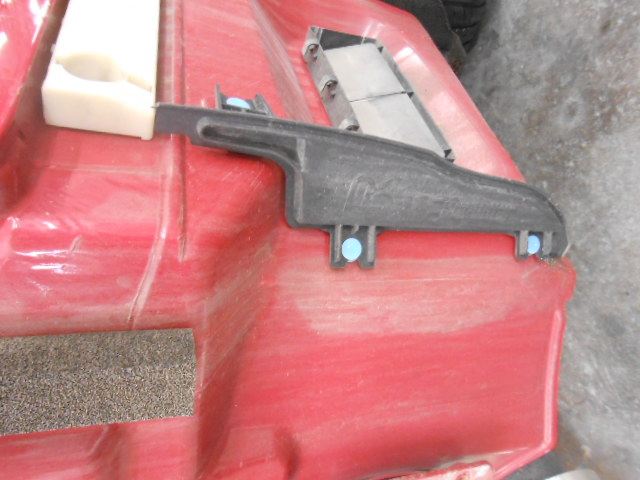
On cosmetic parts, the main concerns are fit and finish: panel gaps, mounting points and how the part takes paint. On parts that relate to crash performance, such as bumper reinforcements, energy absorbers and brackets, and on vehicles with driver-assistance sensors mounted behind bumpers and grilles, the materials and exact dimensions matter more, because they can affect how the vehicle performs in a future collision and how sensors are positioned.
What determines which parts are used
Your insurance policy usually decides what the insurer will pay for. Many policies allow non-OEM parts, especially on older vehicles. Some policies offer OEM parts coverage as an option. Lease agreements may have their own requirements. You can always ask your insurer which parts are specified on your estimate and whether you can pay the difference for OEM.
As a factory certified collision facility for Ford, Subaru, Kia, Hyundai and Volkswagen, we repair to the manufacturer’s published procedures, and our estimate shows you which parts are specified. See our Ford certified repair page for an example, or read about our collision repair and bumper repair. Questions about your estimate? Contact us or call (303) 922-1300.
Key points
Parts questions
Are aftermarket parts always worse than OEM?
Not always. Quality varies by part and supplier. The concern is greatest with structural parts, crash components and parts that position safety sensors.
Can I insist on OEM parts?
You can ask. Whether your insurer pays for them depends on your policy. You may be able to pay the price difference yourself.
How do I know which parts are on my estimate?
Your estimate lists each part and its type. Ask the shop to walk you through it before you approve the repair.
Does my lease require OEM parts?
Some lease agreements have requirements for repairs. Check your lease and ask your leasing company before the repair begins.
Been in an accident?
Get a free, insurance-ready estimate today. Early bird and night owl drop-off available.
Areas We Serve
Englewood · Denver · Littleton · Sheridan · Cherry Hills Village · Centennial
Factory Certified
Ford · Subaru · Kia · Hyundai · Volkswagen
Services
Collision · Hail & PDR · Frame · Glass · Paint · Mechanical · Clear Bra · Theft Recovery