How does auto paint matching work?
Why the paint code is not enough
Every vehicle has a paint code, usually on a label in the door jamb. But the same code can come in several factory variants, and paint changes over time with sun, altitude and weather. Colorado’s strong sunlight makes this especially noticeable. Mixing straight from the code can produce a panel that looks slightly off next to the original paint.
How the color is matched
A computerized color matching system reads the existing paint and suggests the formula and any adjustments. The painter sprays a test card, called a spray-out, and compares it to the vehicle under good light before anything is sprayed on the car. Once the color is right, the panel is painted in a sealed booth to keep dust out of the finish, then cleared.
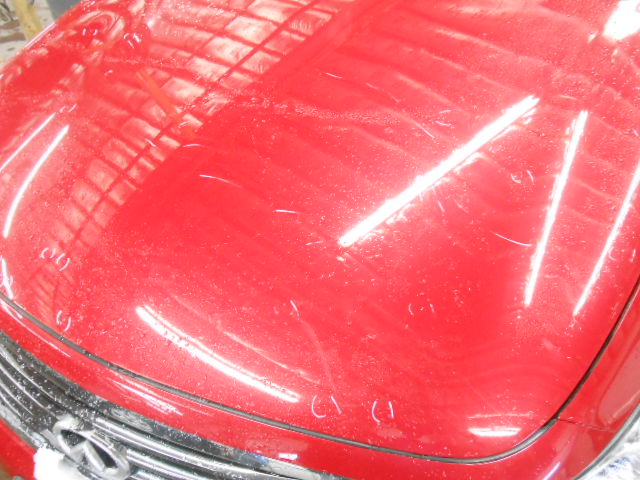
Why shops blend into the next panel
Even a near-perfect match can show at a panel edge. Blending carries the new color gradually into the adjacent panel and then clears the whole area, so the eye sees one continuous color. That is why an estimate for a damaged door may also include blending time on the fender or rear door.
At Young’s, we use a computerized color matching system and ICI Autocolor paint as a certified refinish center. See our paint and color match page for details, or learn about scratch repair and paint protection. Contact us or call (303) 922-1300.
Key points
Paint matching questions
Why does my estimate include painting a panel that was not damaged?
That is blending. The color is carried into the adjacent panel so the repair does not show a hard edge where new paint meets old.
Can metallic and pearl paints be matched?
Yes. They take more care because the flake changes how color looks at different angles, which is why spray-out cards and blending matter.
Where is my paint code?
It is usually on a label inside the driver’s door jamb, though the location varies by manufacturer.
How soon can I wash new paint?
Gentle hand washing is generally fine soon after. Ask the shop how long to wait before waxing or using automatic car washes.
Been in an accident?
Get a free, insurance-ready estimate today. Early bird and night owl drop-off available.
Areas We Serve
Englewood · Denver · Littleton · Sheridan · Cherry Hills Village · Centennial
Factory Certified
Ford · Subaru · Kia · Hyundai · Volkswagen
Services
Collision · Hail & PDR · Frame · Glass · Paint · Mechanical · Clear Bra · Theft Recovery